Child Falls From Disney Cruise Ship: Details, Rescue & Safety
A 5-year-old girl fell through a porthole on a Disney cruise ship on June 29, 2025. She lost her balance while sitting on a railing on the fourth deck.
The Disney Dream was returning to Fort Lauderdale from a four-day Bahamas cruise when it happened. The child's father immediately jumped overboard to rescue her, and both were safely recovered by cruise staff within 20 minutes.
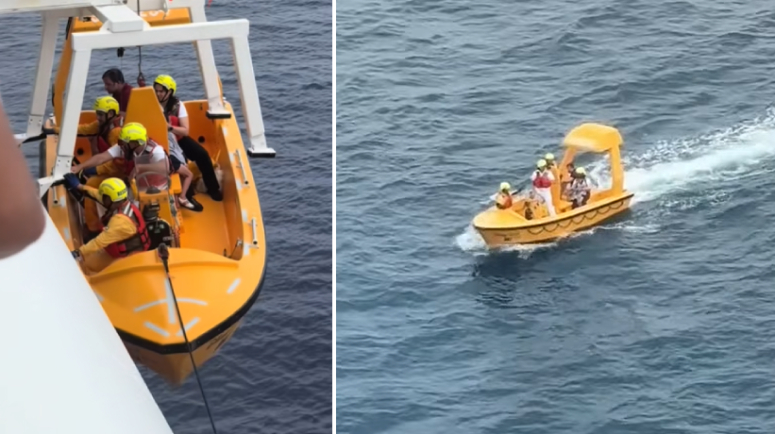
It all unfolded around 11:30 a.m. Passengers heard the emergency code "Mr. M.O.B."—man overboard—echo through the ship.
Crew members rushed to deploy life preservers and launched a rescue boat. The father treaded water with his daughter in the ocean below.
That quick response? It really highlights both the real dangers at sea and just how crucial solid emergency protocols are.
This incident brings up tough questions about cruise ship safety measures. How do accidents like this still happen with all the rules in place?
The Broward Sheriff's Office is still looking into what led to the fall. Disney Cruise Line, for its part, had high praise for their crew's rapid action.
The rescue operation and what followed show just how complicated safety can get on a cruise ship.
Incident Overview
A 5-year-old girl fell through a porthole on the Disney Dream cruise ship on June 29. Her father jumped in after her, and both were back aboard within 20 minutes.
Timeline of Events
The fall happened around 11:30 a.m. on Sunday, June 29, as the Disney Dream was returning to Fort Lauderdale from The Bahamas.
The girl lost her balance while sitting on a railing on Deck 4. She fell backward through an open porthole into the ocean.
Her mother saw the fall and alerted her husband. The 37-year-old father hadn't witnessed it but immediately jumped overboard after hearing what happened.
Key Timeline:
- 11:30 a.m. - Child falls through porthole
- Immediately after - Mother alerts father, who jumps overboard
- 20 minutes later - Both rescued by ship's tender
The father found his daughter in the water and held her until help arrived. A ship's tender got them both out safely.
Location and Voyage Details
The Disney Dream was sailing back to Fort Lauderdale, Florida from The Bahamas when the incident happened. It was just a normal Disney Cruise Line route in South Florida waters.
The fall was from Deck 4 through an open porthole. Investigators confirmed she was sitting on a railing when she lost her balance.
The ship had standard emergency protocols in place. Security footage matched what family and crew described.
The Disney Dream is a $900 million ship, running regular trips between Fort Lauderdale and the Bahamas. Thousands of passengers are usually on board.

Immediate Response Onboard
Shortly after the incident, a "man overboard" announcement echoed through the ship. Crew immediately began emergency procedures and launched a rescue tender.
Passenger Jenn Young said she saw crew members "scurrying" on deck, tossing orange life rings into the water. The ship made a sharp turn to assist.
The Disney Cruise crew deployed a tender boat to reach the father and daughter. Both were conscious and moving when brought back aboard.
Crew Response Actions:
- Issued man overboard announcement
- Deployed life rings and safety equipment
- Launched rescue tender
- Turned ship to assist rescue
Both passengers received medical evaluation after being brought back. The father was hospitalized after returning to port, but details about his injuries weren't released.
Disney Cruise Line later praised their crew's quick, effective response.
How the Child Fell Overboard
The 5-year-old fell from the fourth level of the Disney Dream through what appeared to be a porthole opening. Her father wasn't holding her at the time.
Deck Layout and Barriers
The Disney Dream has multiple decks with various safety barriers and openings. The fourth level, where the fall happened, contains passenger cabins with portholes.
Porthole specifications on Disney ships usually include:
- Standard circular windows in cabins
- Opening mechanisms for ventilation
- Size limits to prevent falls
In this case, the child fell through a porthole, not over a railing. That suggests the opening was big enough for a small child to slip through.
Disney cruise ships use plexiglass safety barriers in many deck areas. Cabin portholes, though, work differently from those main deck features.
The specific porthole here allowed access that led to the fall.
Witness and Crew Accounts
Eyewitnesses described seeing the girl fall from the fourth level. Social media posts confirmed people saw both the child and her father jump in after her.
The mother was the one who alerted the father, according to investigators. It seems the parents weren't together at the time.
Crew response timeline:
- Immediate alert system activated
- Rescue operations began within minutes
- Both father and daughter recovered within 20 minutes
Passengers said everything happened fast. The father's quick decision to jump in probably made all the difference.
Factors Contributing to the Fall
The child wasn't being held by her father when she fell. She was able to access the opening on her own.
Possible factors include:
- Child's size - Small enough to fit through porthole
- Porthole accessibility - Opening mechanism allowed passage
- Supervision gap - Brief moment without direct adult contact
The fall happened during daylight near Fort Lauderdale. Weather was reportedly calm.
At just 5 years old, she was mobile and curious but probably didn't grasp the risks. Portholes might seem harmless, but for little kids, they're a real hazard if not properly secured.
Rescue Operation
The Disney Dream crew kicked off a coordinated rescue effort within minutes of the fall on June 29, 2025. Both father and daughter were safely recovered in about 20 minutes, thanks to family and trained cruise staff.
Father's Immediate Actions
The mother saw her daughter fall and immediately told her husband. The 37-year-old dad hadn't seen it happen from Deck 4.
He didn't hesitate—he just jumped into the international waters between the Bahamas and Port Everglades. He found his daughter and kept her afloat, treading water until help arrived.
Security footage later backed up the family's account. Both stayed in the ocean for the full rescue operation.
The father was injured during the ordeal, though officials haven't said exactly how.
Disney Crew's Man Overboard Protocol
"Man Over Board" announcements blared across the ship. The Disney crew jumped into their emergency rescue protocols right away.
The crew's man-overboard training was put to the test. Disney staff launched rescue operations from the ship at once.
Key Protocol Elements:
- Immediate loudspeaker alerts
- Rapid deployment of rescue teams
- Launch of tender rescue boat
- Coordination with medical staff
Passengers saw crew spring into action. The Broward Sheriff's Office credited their training for the successful rescue.
Ocean Rescue Execution
Disney rescue staff launched a tender boat from the ship to reach the father and daughter. The team pulled both from the water into the rescue vessel.
From the girl's fall to recovery, it took about 20 minutes. The ship was in international waters for the rescue.
Back aboard, both were checked by the ship's medical staff. They were then transported to the main ship for further care.
Rescue Timeline:
- 11:30 AM: Girl falls overboard
- 11:30 AM: Father jumps in
- 11:50 AM: Both rescued by crew
The Disney Dream continued to Port Everglades, arriving Monday morning. Broward Sheriff Fire Rescue brought both to a local hospital for more evaluation.
Aftermath and Investigation
The Broward Sheriff's Office started their investigation right away. Both passengers received medical care, and security footage supported the family's account.
Medical Evaluation and Recovery
Both the 5-year-old girl and her father were checked medically after being rescued. Crew assessed them immediately after they were brought back aboard.
The father needed hospitalization after the ship returned to port. His condition after 20 minutes in the water required more care than the onboard team could give.
Authorities didn't disclose the girl's medical status. Disney Cruise Line confirmed both guests got medical attention, but no further details about their injuries were released.
Law Enforcement and BSO Inquiry
The Broward Sheriff's Office took immediate control of the investigation when the Disney Dream returned to Fort Lauderdale.
BSO detectives started interviewing witnesses and family members, trying to piece together what really happened.
Veda Coleman-Wright, the BSO public information officer, confirmed that investigators were looking closely at the moments before the child lost her balance.
They focused on how the 5-year-old ended up sitting on the railing of Deck 4. Was it a lapse in safety, or just a heartbreaking accident?
Detectives wanted to know if any safety protocols had been ignored. They also looked into whether the father had helped his daughter onto the railing or if she climbed up there herself.
Security Footage and Verification
BSO detectives reviewed security footage from several cameras aboard the Disney Dream.
According to law enforcement, the video evidence matched what the family described.
The footage showed the girl losing her balance while sitting on the railing, then falling backward through the porthole.
It also caught the father's immediate reaction when his wife called out.
Security cameras throughout the ship gave investigators a pretty comprehensive view of the incident.
This video evidence helped confirm witness statements and put together a timeline of what led up to the fall.
Disney Cruise Ship Safety Measures
Disney cruise ships use some pretty advanced technology to detect passengers who fall overboard.
They've also updated their barriers to prevent accidents, combining different systems to keep people safe and react fast in emergencies.
Man Overboard Detection Systems
Disney ships have overboard detection systems that instantly alert crew when someone goes overboard.
These setups use sensors and cameras to watch the ship's perimeter—kind of impressive, honestly.
If the system detects a person in the water, it automatically notifies the bridge crew.
The crew can jump into action within minutes to start rescue operations, which is crucial.
The Disney Dream and other ships in the fleet have these detection systems installed all around the deck areas.
This technology helps crews find people in the water way faster than relying on eyesight alone.
During the recent incident with the 5-year-old, the crew responded quickly after the alert went off.
Both the child and her father were pulled from the water safely, which is honestly a relief.
Plexiglass and Railing Standards
Disney cruise ships now use plexiglass barriers alongside traditional railings to keep passengers from falling overboard.
These clear panels add a layer of protection without ruining the view—smart move, if you ask me.
The railings themselves are designed to be high enough to prevent accidental falls.
Modern cruise ships have to meet specific height requirements for deck railings, and Disney follows those rules.
Plexiglass safety barriers matter most in spots where kids might climb or sit.
They fill in gaps that a small child could slip through, which makes a lot of sense.
The cruise industry has revamped railing designs after earlier incidents.
Disney ships keep up with these updated safety standards to protect everyone on board, young or old.
Surveillance systems also keep an eye on deck areas where passengers gather near railings.
This helps crew members spot risky behavior before something bad happens—at least, that's the idea.
Broader Context of Overboard Incidents
Cruise ship overboard incidents are statistically rare, but they're a real safety concern for the whole industry.
Disney Cruise Line faces the same challenges as other big cruise operators when it comes to preventing these emergencies.
Statistics and Prevalence
Since 2000, about 420 cruise and ferry passengers and crew members have fallen overboard worldwide.
That's across 25 years and all cruise lines, so the odds are pretty low, but still—it's not zero.
The incidents affect roughly one person for every 1.8 million cruise passengers, based on 2023 travel data.
With an estimated 31.7 million people taking cruises in 2023, the numbers add up.
Most overboard incidents by cruise line:
- Carnival: 82 incidents
- Royal Caribbean International: 67 incidents
- Other cruise lines: 271 incidents
Survival rates for overboard incidents are depressingly low.
Most cases end in fatalities, thanks to things like cold water, rough seas, and how long it takes to mount a rescue.
Detection technology has made a difference, though.
Lots of cruise lines now use thermal cameras and radar to spot people in the water faster than ever.
Comparisons With Other Cruise Lines
Disney Cruise Line has seen fewer overboard incidents compared to the bigger cruise operators out there. The company runs just four ships, while Carnival's got a fleet of over 20 vessels.
Carnival leads in total incidents, which probably isn't surprising given its size. They carry way more passengers each year than Disney does.
Disney's invested in overboard detection sensors—think thermal cameras and micro radars. These systems can automatically alert crew members if someone goes overboard.
All cruise lines are required to follow federal safety rules. Ships need railings at least 42 inches high, plus panels underneath to help prevent falls.
The June 29 Disney Dream incident had a good ending, thanks to a fast crew response. The father and daughter were rescued within 20 minutes after going overboard.

Charlie is Editor-in-Chief of Sea Magazine